Table of Contents
Introduction
Sauces are one of the biggest, or rather smart, ways to save time spent in the kitchen; food waste, and a delicious meal treat can be at the tips of your fingertips. Be it busy weeknights, winter time stock-ups, or just an attempt to get the best use out of your cooking, freezing sauces will be of great benefit in your kitchen.
Nevertheless, not every sauce freezes well; even those that can be placed into the freezer will need a couple of ingenious tricks to guarantee that they will not lose their flavor, consistency, and quality upon thawing. Here in this step-by-step guide, we are going to discuss six of the most important hacks to do it. Whether it is what sauces freeze only to transfer to the container or what containers to use, this article shall provide you with all that you need to know to make a success of using freeze sauce stash.
Why You Should Freeze Sauces
There are several benefits to freezing sauces, whether you are a novice to the world of cooking or an experienced domestic handler:
- Time saving: Prepare a dinner in one go and eat it multiple times.
- Reduce wastage of food: Instead of throwing away food stored in the refrigerator, save it.
- Helps in making meals: It is ideal for making quick weekday meals.
- Cost-effective: Uses ingredients a lot and stores what you cannot use.
To freeze sauces, however, you need to be aware of how to conduct them so that they can give the best results.
1. Know Which Sauces Freeze Well (And Which Don’t)
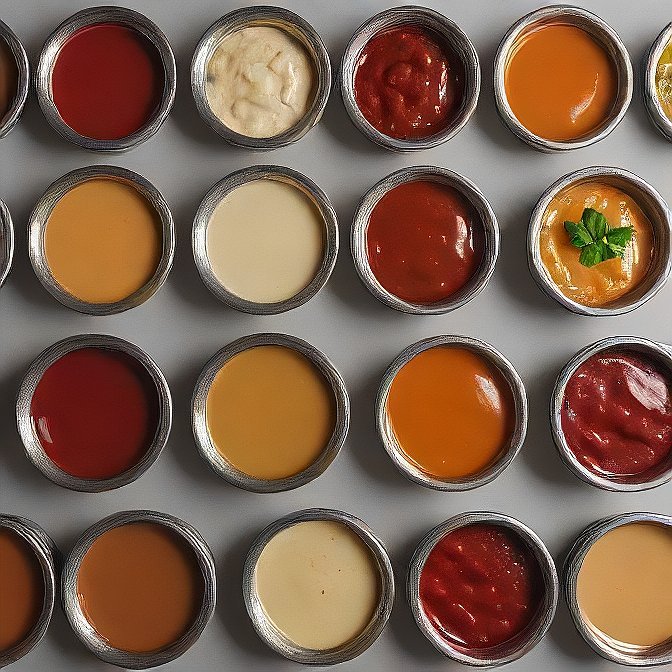
Prior to commencing the pouring of leftover sauces into the containers, you ought to be informed of which sauces are freeze-friendly and those that might not be too willing to face the cold without making some sort of a trade.
Sauces That Freeze Well
- Tomato-based sauces such as marinara, bolognese, and arrabbiata freeze up fairly well.
- Broth sauces: These sauces may be made with gravy made of a stock or a bouillon. These sauces may also be made with pan sauces and reductions.
- Pesto: Can be frozen (add slight edging – leave off cheese until you reheat).
- Curry sauces: Spice-enriched and coconut milk or tomato-based.
Sauces That Freeze With Caution
- Cream-based sauces: Alfredo and B can separate when thawed, though they may be rescued with correct reheating.
- Cheese-based sauce: They freeze and can be grainy upon thawing, but they can be done with milk added and heated up at a low heat.
- Emulsified sauce: Sauces that are made of Hollandaise and mayonnaise do not freeze well, but work well freshly.
Pro Tip:
To freeze a saucy dish where some dairy is included, instead of making it normally, prepare the dish without the milk or cream, and at the time of reheating, add the dairy.
2. Cool Sauces Completely Before Freezing
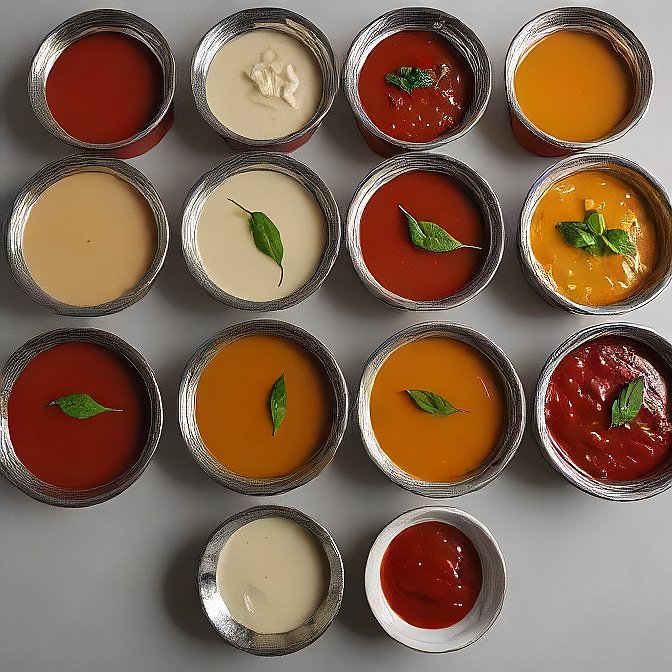
Among the most commonly committed errors that are found among individuals who freeze the sauces is the process of leaving it in the freezer before it has attained the desired cold temperature. This may result in unequal freezing, ice crystals, etc, and may even increase the internal temperature of your freezer, which may certainly damage other food items stored in the freezer.
Why Cooling Matters:
- Stops moisture condensation: Lessens the risks of freezer burn.
- Retains flavor: abrupt freezing of hot liquid may destroy light ingredients.
- Prevent bacterial growth: Bacteria are discouraged through quick cooling and before freezing.
How to Cool Safely:
- Place your hot sauce in a shallow dish so that it can cool faster.
- Occasionally stir the sauce so that some of the heat is released.
- Put the container in the cold water bath or close to a fan in case it is urgent to cool the container.
Bring the sauce to room temperature and then put the sauce in freezer-safe containers.
Check Out: Pair Sauces: How Can You Master 7 Perfect Combinations for Every Dish?
3. Use the Right Containers (And Avoid the Wrong Ones)
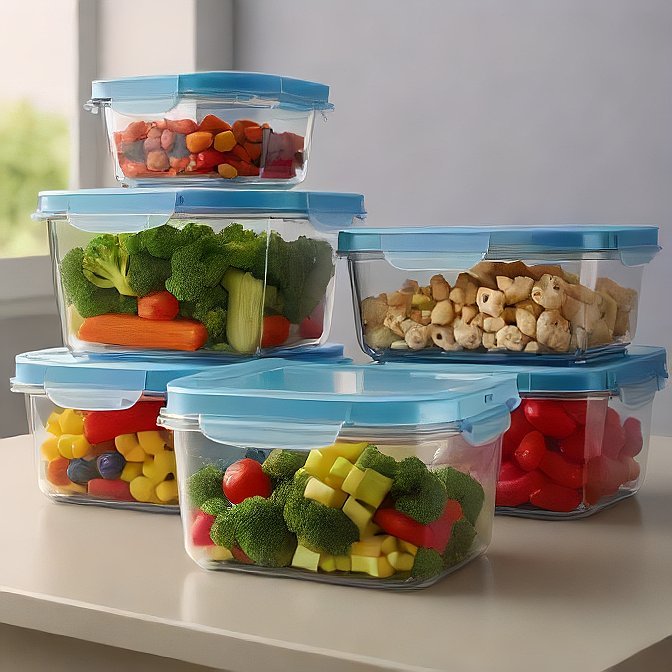
When freezing sauces, it is of the essence to select the right storage container. An incorrect container will result in leakage, freezer burns, or even cracking at the extremes of temperatures.
Best Containers for Freezing Sauces:
- Unleaded plastic products: This kind of container is less heavy and frequently does not crack. Utilize airtight ones.
- Silicone freezer. Not only is it convenient to freeze sauces, but it is also great at portioning out into small, ready-to-use cubes in a silicone freezer or mold.
- Freezer bags that can be resealed: They are good when one wants to conserve space. When freezing, lay them flat.
What to Avoid:
- Lightweight plastic containers that are not freeze-proof.
- Glass containers with no headspace.
- Plastic bags that are not sealable and can leak or allow air.
To keep food fresh, eliminate extra air in bags or containers before sealing.
4. Label Like a Pro for Easy Access
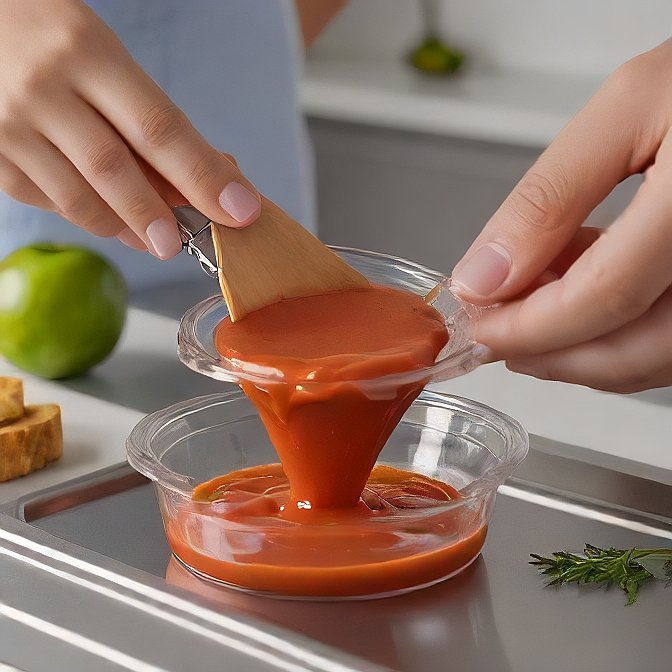
Labeling is vital when you have a number of sauces you have stored in the freezer. Otherwise, it will become easy to forget what is what, especially where the sauces have started to appear alike after the freezing process.
What to Include on the Label:
- Name of sauce (e.g. Spicy Tomato Basil Sauce)
- Freezing date
- Whether or not the food is served in portions.
- Special guidelines (e.g., when thawing, you should add cream)
Tips for Effective Labeling:
- Write with a permanent marker using masking tape or waterproof labels.
- When storing large amounts of it, color-code by type of sauce.
- Put labels on the side and the lid so that they can be able to say them at whichever angle.
Labeling will help to ensure that it saves time in preparing meals and there are fewer chances of wasting food since containers that are not identified or have expired.
5. Use the Ice Cube Tray Trick for Small Portions
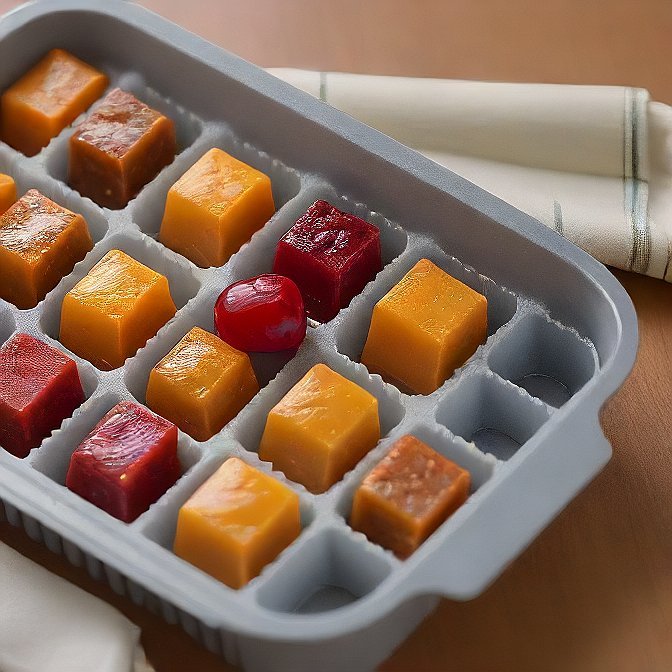
Simply put, assuming that you need a small amount of sauce every time (to sprinkle it over eggs or to add taste to soup or to mix with vegetables), freezing the sauce in small quantities will be a revelation.
How to Do It:
- Pour your cooled sauce into a clean ice cube tray or a silicone mold.
- Chill for 6-8 hours or overnight till set.
- Remove the cubes and place them in a labeled freezer bag.
It is a way that enables you to discard what you require without completely thawing the whole batch. It also facilitates portioning to certain recipes and reduces wastage.
Best Sauces for Cube Freezing:
- Pesto
- Tomato paste or puree
- Herb butter/Garlic butter
- Sauces made of Stock
- Individual serves pan sauces
It is an excellent idea both when cooking as an individual and when you want to enhance the taste of your meals in a short time.
6. Reheat Sauces the Right Way
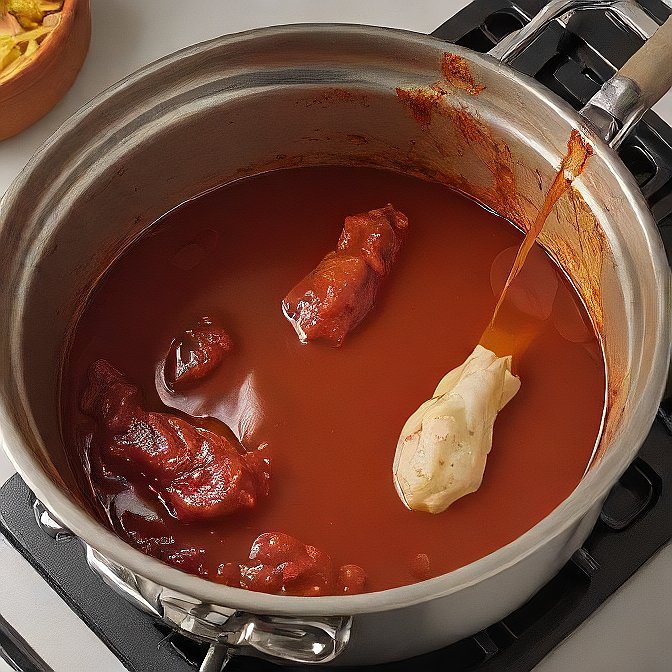
It is just as important to freeze safely as to reheat safely. Some kinds of sauces may change during the process of freezing, especially when a sauce contains fat or milk. However, they can be reheated nearly as good as they were, but with extreme care.
General Reheating Guidelines:
- Stovetop: This is appropriate for most sauces. Bring slowly back to a heat, on medium to low heat, stirring occasionally.
- Microwave: Should be applied to small portions. Bake, heating, mixing, and all overlap.
- Two vessels: The two vessels are ideal when preparing a thick mixture of cream or cheese sauce, as they avoid curdling.
How to Fix Separated or Grainy Sauces:
- Add a few dashes of milk or cream to the whisk.
- Pour in 1 water or broth, do, in case too thick.
- If you prefer it to be a smoother texture, then pulse with an immersion blender.
Final Touch:
Put fresh herbs, grated cheese into the sauce or a squeeze of lemon juice, which will revivify the sauce.
Bonus Hack: Keep a Freezer Sauce Inventory
An elementary record of which sauces you freeze, the date of freezing, and the number remaining can save you an enormous amount of time. This will make you not forget the contents of the container to freeze, and you can plan for yourself with what you have in your freezer.
How to Keep Track:
- Whiteboard/freezer log sheet: Put it on your freezer door or on the inside of a cabinet.
- Install apps: Inventory apps such as Google Sheets, Pantry Check, or meal planner-specific apps.
- Date and type: Older sauces should lie towards the front to use first.
Inventory will save you food, as well as avoid over-purchasing, and will keep your freezer out of the mystery zone.
Conclusion: Freeze Sauces the Smart Way and Simplify Your Cooking Life
A proper way to freeze sauces would make a huge difference in the way you cook. You might prolong the shelf life of the sauces you make, reduce your waste levels, and always have a delicious component of your meals at hand with only a few clever hacks.
To recap:
- Find out which of the sauces you can freeze, and modify recipes accordingly.
- Put cooled sauces in the freezer.
- Choose freezer bags that can expand.
- Label everything so as to be identified easily.
- Sauce portions in ice cube trays to allow speedy usage.
- Heat slowly and renew the sauce with new items when necessary.
The following six sensible hacks will teach you to never run out of a tasty sauce. Whether you want to freeze a chunky bolognese or a couple of scoops of herb butter, doing these steps means that your sauces will always be fresh, flavor-packed packed and can pass the test of time with your sauces.
For more info: Click Here.
FAQs
1. Is it possible to freeze dairy sauces or sauces with cheese?
It is a fact that you can freeze dairy or cheese additions to sauces, but they may have a slight alteration in texture once defrosted. Sometimes they disintegrate or go grainy. Reheating them commonly goes well by stirring them well to bring them back together.
2. What is the shelf life of frozen sauces?
Generally, an expiration range of 2 to 3 months is found in frozen sauces. They should be stored in airtight containers or freezer-useable bags with a date marked on them so they are not lost.
3. Can a thawed sauce be refrozen?
Do not refreeze the sauce that has already thawed away, especially when not stored quickly enough. The taste and the safety can be influenced by the refreezing. In case of necessity, you can freeze the sauce in small portions so as to only allow thawing of what you will be using.